




Sheet Metal Fabrication Buyer Guide for Custom OEM Part Selection
Choosing a sheet metal fabrication supplier involves more than comparing unit prices. Buyers also need to evaluate material suitability, part geometry, bend requirements, dimensional tolerances, surface finishing, production volume, inspection methods and project communication. A supplier that is suitable for a simple prototype may not be the right choice for repeat OEM production, while a high-volume tooling arrangement may be unnecessary during early design validation.
This guide explains the main factors that procurement teams, product engineers and OEM buyers should review before selecting a sheet metal fabrication partner. It is intended for companies sourcing custom brackets, panels, enclosures, frames, supports and other fabricated metal components for prototype, low-volume, medium-volume or high-volume production.
Buyers who are ready to review a specific manufacturing capability can visit E-mold’s Sheet Metal Fabrication services.
What Buyers Should Expect from Sheet Metal Fabrication
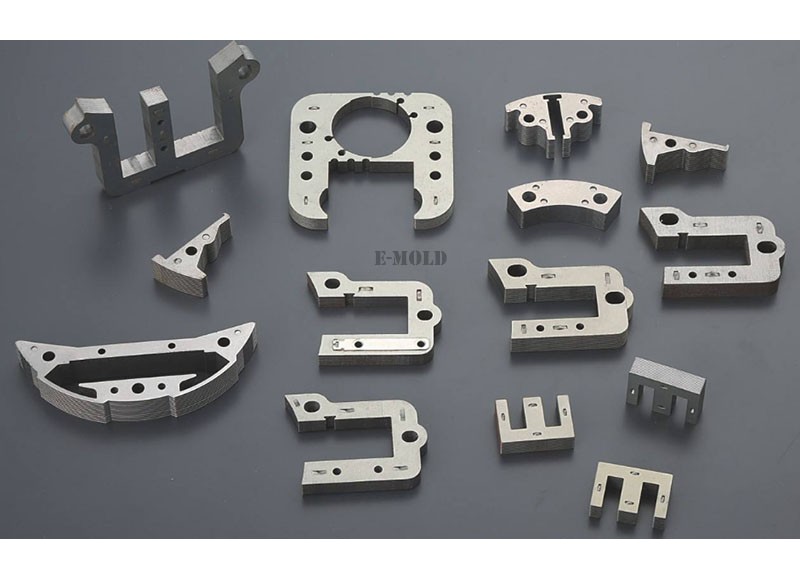
Sheet metal fabrication converts flat metal stock into functional parts or assemblies through processes such as cutting, forming, bending, punching, stamping or related finishing operations. The final part may be a simple bracket or a more complex enclosure with multiple bends, holes, mounting features and surface requirements.
From a purchasing perspective, the value of sheet metal fabrication comes from its ability to produce practical metal structures without requiring every project to begin with a large and expensive production tooling program. It can support early prototypes, design verification and custom OEM parts, while also accommodating repeat production when the design and process have been confirmed.
However, the process is influenced by the relationship between the material, thickness, geometry, bend sequence, tooling approach and inspection method. A supplier should therefore be evaluated not only by the final price, but also by how well it understands the design and manages the transition from drawing to finished component.
When Sheet Metal Fabrication Is a Suitable Choice
Sheet metal fabrication is commonly considered for functional brackets, panels, enclosures, frames, covers and supports. It can support prototype development, low-volume production and OEM manufacturing when buyers need practical metal structures, custom dimensions, integrated finishing or parts developed from technical drawings and CAD files.
How to Compare Sheet Metal Fabrication Suppliers
A useful supplier comparison should separate technical capability from commercial terms. A supplier may offer a low initial price but create additional cost if the drawing is not reviewed carefully, the finishing standard is unclear, or the production process cannot maintain the required assembly relationship.
| Evaluation area | Questions for the buyer | Why it matters |
|---|---|---|
| Material and thickness | Can the supplier review the required material, thickness and application conditions? | Material choice affects strength, forming behavior, appearance, corrosion resistance and production planning. |
| Part design | Can the supplier evaluate bends, holes, cutouts, mounting features and assembly relationships? | Early design review can identify manufacturing risks before samples or production parts are made. |
| Tolerances | Can the supplier distinguish critical dimensions from general dimensions? | Clear tolerance priorities help control cost, inspection effort and part-to-part consistency. |
| Production volume | Can the supplier support the required prototype, low-volume or volume production plan? | The appropriate process and tooling arrangement may change as quantity increases. |
| Surface finishing | Can the supplier coordinate the required appearance, marking or protective finish? | Finishing affects appearance, function, durability and the final acceptance standard. |
| Quality documentation | Can the supplier provide the inspection or material information required by the project? | Documentation helps purchasing, engineering and quality teams evaluate conformity. |
| Project communication | Can the supplier identify unclear specifications and communicate changes before production? | Clear communication reduces avoidable rework, delays and inconsistent expectations. |
Evaluate the Supplier’s Design Review Process
Design review is one of the most important steps in custom sheet metal procurement. A supplier should be able to examine the relationship between the drawing, CAD model and intended application. This does not mean the supplier should redesign the product without approval. It means the supplier should identify manufacturing concerns and discuss them with the buyer before production begins.
Useful design review questions include whether the bend sequence is practical, whether holes or cutouts are positioned appropriately, whether the part can be formed without damaging the surrounding structure, and whether the specified tolerances match the actual function of the component.
Buyers should also ask how design changes are recorded. If a supplier identifies an issue and proposes a modification, the updated drawing or revision should be approved before the change is incorporated into production. This helps prevent the supplier, purchasing team and engineering team from working from different versions of the design.
Review Material and Thickness Requirements
Material selection should begin with the part’s working environment and functional requirements rather than supplier availability alone. The buyer should consider load, exposure to moisture or chemicals, electrical requirements, weight, appearance and compatibility with the selected finishing process.
Thickness also affects the behavior of a sheet metal component. It can influence stiffness, weight, bend formation, hole quality, edge condition and assembly fit. A thickness that works for a protective cover may not be suitable for a structural bracket, even if the external dimensions are similar.
- Strength: Determine whether the part carries a load, supports another component or mainly provides protection.
- Weight: Consider whether the part must remain light for transportation, installation or product performance.
- Environment: Review exposure to moisture, chemicals, temperature changes and outdoor conditions.
- Appearance: Decide whether the metal will remain visible or receive a coating, plating or printed finish.
- Formability: Confirm whether the selected material and thickness are compatible with the required bends and formed features.
- Availability: Ask whether the required material can be sourced consistently for prototype and repeat production.
A buyer should avoid specifying a material only by a general name when the application requires a controlled grade or defined mechanical property. If the material specification is critical, the purchase documents should state the relevant grade, thickness and documentation requirements.
Understanding the production sequence can also help buyers evaluate supplier proposals. See How Sheet Metal Fabrication Works for a process overview.
Use Drawings to Define the Real Purchase Requirement
In custom sheet metal fabrication, the technical drawing is usually the main reference for production and inspection. A 3D model can communicate overall shape, but it may not provide every requirement needed to manufacture and inspect a part. A complete purchasing package may therefore include 2D drawings, 3D CAD files, reference samples, material requirements, surface specifications and assembly information.
Information That Should Appear in the Drawing Package
- Part name, part number and revision level.
- Material type and sheet thickness.
- Overall dimensions and critical feature dimensions.
- Hole sizes, hole positions and cutout requirements.
- Bend locations, bend angles and relevant forming information.
- Datums or reference points for critical measurements.
- General tolerances and special tolerances for functional features.
- Surface finishing, marking, color or appearance requirements.
- Assembly references when the part must fit with other components.
- Inspection or documentation requirements for production approval.
Separate Critical Dimensions from General Dimensions
Not every dimension has the same effect on product performance. For example, a dimension that determines whether a bracket fits into an assembly may be more important than an external dimension that has no direct functional effect. When all dimensions are treated as equally critical, the supplier may need to use additional inspection effort and tighter process controls that do not improve the product’s actual performance.
Buyers should identify the dimensions that affect assembly, movement, sealing, electrical clearance, mounting or structural performance. Those dimensions should receive appropriate tolerances and inspection attention. General dimensions can often be controlled with broader tolerances when the design allows it.
ASME Y14.5 provides a recognized system for stating and interpreting dimensioning and tolerancing requirements on engineering drawings and related digital design information. Buyers should use the drawing standard appropriate to their organization and project rather than assuming that a supplier will interpret an incomplete drawing in the intended way.
Compare Prototype, Low-Volume and Production Requirements
The best supplier choice may change as a project moves from design validation to repeat production. A prototype order is often used to identify design and assembly issues, while a production order requires greater attention to process stability, repeatability, inspection planning and supply continuity.
| Project stage | Main buyer priority | Information to confirm |
|---|---|---|
| Prototype | Fast design learning and functional verification | Reference design, critical features, sample inspection and revision control |
| Low-volume production | Flexible production with controlled cost | Quantity, repeat order expectations, finishing consistency and packaging |
| Medium-volume production | Stable process and repeatable quality | Process plan, inspection points, material supply and production scheduling |
| High-volume production | Capacity, consistency and long-term supply planning | Tooling strategy, production capacity, quality records and change management |
Why the Lowest Prototype Price May Not Be the Best Production Option
A supplier may be able to produce a prototype economically through a flexible process, but the same approach may not be the most efficient choice for repeat orders. Conversely, a production-oriented tooling solution may create unnecessary cost when the design is still changing.
Buyers should therefore explain the expected project path, not only the immediate order quantity. If the first order is a prototype but the part may later become a repeat OEM component, the supplier should understand that the design review, sample approval and production planning may need to support future stages.
The purchasing team should also distinguish between a one-time sample and an approved reference sample. A prototype that has not been formally reviewed should not automatically become the production standard. The buyer should identify which characteristics must be preserved and which design elements may still change.
Assess Surface Finishing Requirements Before Ordering
Surface finishing should be discussed before quotation because it can affect both cost and acceptance criteria. A buyer should not describe a requirement only as “good appearance” or “high quality.” The supplier needs to understand whether the finish is primarily decorative, protective, functional or related to branding.
E-mold’s provided company information lists painting, plating, printing, laser marking and hot stamping among available finishing options. The suitable choice depends on the base material, the intended use, the desired appearance and the required production process.
Questions to Clarify with the Supplier
- Is the finish intended to improve appearance, corrosion resistance, wear resistance or identification?
- Is a specific color, gloss level, texture or visual reference required?
- Should logos, text or markings be placed on a defined surface?
- Are there areas that must remain unfinished for assembly or electrical contact?
- Does the buyer require a visual sample or approved finishing reference?
- Should the finished part be protected individually during packaging and transport?
Finishing requirements should be connected to the drawing or purchase specification rather than discussed only in email. If the finish is important to the product’s appearance, an approved sample or reference standard can reduce disagreements during production inspection.
Understand Quality and Inspection Expectations
Quality requirements should be specific enough for both the buyer and supplier to determine whether a part conforms. A general statement such as “strict quality control” does not identify what will be measured, how it will be measured or which features are most important.
Inspection Points for Fabricated Metal Parts
- Material: Confirm that the selected material and thickness match the approved specification.
- Overall dimensions: Check the external size and major structural features.
- Hole and cutout positions: Verify features that affect installation or assembly.
- Bend locations and angles: Confirm the formed geometry against the approved drawing.
- Edge condition: Review burrs, sharp edges and areas that may affect handling or assembly.
- Surface appearance: Compare the finish, color, markings and visible defects with the agreed standard.
- Assembly fit: Where applicable, check the part against mating components or a defined fixture.
The inspection plan should prioritize characteristics that affect function and safety. Buyers should also clarify how inspection results will be recorded and which documents are required before sample approval or volume production.
Questions About Quality Documentation
Before placing an order, buyers should ask which documents can be supplied and at what stage. Depending on the project, the required information may include inspection records, material information, approved sample records or other quality documents.
Documentation requirements should be agreed before production rather than requested after shipment. If the buyer’s quality department has a standard inspection form or supplier approval process, those requirements should be shared during the quotation stage.
Common Purchasing Mistakes to Avoid
Choosing a Supplier Only by Unit Price
Unit price is important, but it is only one part of the total purchasing cost. Rework, delayed sample approval, unsuitable finishing, inconsistent dimensions, extra packaging or repeated engineering clarification can increase the actual project cost.
A more useful comparison includes the quoted process, material assumptions, finishing scope, inspection requirements, packaging, sample terms and delivery arrangement. Buyers should verify that all suppliers are quoting against the same drawing revision and the same specification.
Sending Only a 3D Model
A 3D model may show the general shape, but it may not communicate all tolerances, datums, surface requirements and inspection priorities. Sending an incomplete model can create different interpretations between the buyer and supplier.
When possible, provide both 2D and 3D information. If a 2D drawing is not available, the buyer should provide a written specification covering material, thickness, critical dimensions, finish, marking and assembly requirements.
Over-Specifying Every Dimension
Tight tolerances should be connected to a functional requirement. If every dimension is assigned a narrow tolerance without a clear reason, the project may become more difficult and expensive to fabricate and inspect without improving the final product.
The buyer should identify the dimensions that control fit, movement, sealing, mounting or performance. The supplier can then evaluate whether the design and production method are suitable for those requirements.
Ignoring the Finish Until the End
Surface treatment may affect appearance, corrosion protection, marking, packaging and final inspection. If the finishing process is selected late, the supplier may need to revise the production plan or the buyer may discover that the original material is not suitable for the intended appearance.
Failing to Define the Approval Process
For customized OEM parts, the buyer should clarify who approves the drawing, who approves the sample, what changes require written confirmation and which inspection results are needed before batch production. This is especially important when engineering, procurement and quality teams are located in different organizations or countries.
For a more detailed review of design and production risks, read Common Sheet Metal Fabrication Problems.
Buyer-Supplier Comparison Checklist
The following checklist can be used when comparing two or more sheet metal fabrication suppliers. It is not intended to replace a technical review, but it can help purchasing teams organize the first evaluation.
- Does the supplier understand the part’s application and functional requirements?
- Can the supplier review drawings, CAD files and reference samples?
- Can the supplier discuss material, thickness and forming considerations?
- Can the supplier support the required prototype, low-volume or production quantity?
- Can the supplier coordinate the specified painting, plating, printing, laser marking or hot stamping?
- Can the supplier distinguish critical dimensions from general dimensions?
- Can the supplier explain the proposed inspection and approval process?
- Can the supplier provide the documentation required by the buyer’s quality team?
- Can the supplier maintain communication when the design or quantity changes?
- Are packaging, delivery destination and production schedule included in the quotation scope?
Illustrative Case Study: Selecting a Supplier for a Custom Metal Bracket
The following is a typical procurement scenario created to explain the decision process. It is not presented as a named E-mold customer case or as a verified project result.
Background: An OEM product team needed a custom metal bracket for an electrical equipment assembly. The part required several bends, mounting holes, a defined surface finish and repeatable fit with a mating component. The buyer had a 3D model but had not clearly identified the critical hole positions or inspection requirements.
Challenge: Initial supplier comparisons focused mainly on price. During technical review, the purchasing team recognized that different suppliers had interpreted the drawing differently, and the finishing specification did not define the required appearance or marking position.
Solution: The buyer and the selected supplier reviewed the available design information, clarified the required material and finishing details, separated critical mounting dimensions from general dimensions, and organized the quotation around prototype approval followed by the planned production quantity. The buyer also prepared a clearer inspection and packaging specification.
Result: The procurement team obtained a more comparable quotation basis and reduced uncertainty before sample production. The example shows why drawing review, finishing definition and approval planning should be completed before comparing final prices.
What to Prepare Before Requesting a Quote
A complete inquiry allows the supplier to evaluate the technical scope and commercial requirements more accurately. Buyers do not need to have every production decision finalized, but the core information should be clear enough to distinguish the project from a general request for metal parts.
- Part information: Part name, part number, intended use and target application.
- Quantity: Prototype quantity, initial order quantity and estimated repeat or annual demand when available.
- Design files: 2D drawings, 3D CAD files, reference photos or physical samples.
- Material: Required material, thickness and any functional or environmental requirements.
- Critical features: Key dimensions, hole positions, bend locations, assembly interfaces and tolerance requirements.
- Surface treatment: Painting, plating, printing, laser marking, hot stamping or other finishing requirements.
- Sample needs: Whether a pre-production sample is required and who will approve it.
- Quality documents: Inspection records, material information or other documents required by the buyer.
- Packaging: Individual protection, bulk packaging, labeling and delivery destination.
- Schedule: Desired sample timing, production timing and any important project milestone.
If the design is still under development, state which elements are fixed and which may change. This helps the supplier distinguish a design-review quotation from a final production quotation and reduces the risk of comparing proposals based on different assumptions.
Why E-mold Is Relevant for Sheet Metal Fabrication Sourcing
E-mold Rapid Manufacturing Ltd provides low-volume manufacturing, OEM manufacturing, CNC machining, plastic injection molding, precision molds, stamping molds and sheet metal fabrication from its facilities in Dongguan, Guangdong Province, China. The company was established on May 1, 2019, and its available company information states that it has more than 100 team members.
For buyers evaluating sheet metal fabrication suppliers, E-mold’s relevance is its combination of design evaluation, manufacturing coordination, mold-related support and surface finishing capabilities. This can be useful when a project includes fabricated metal parts together with tooling, CNC-machined components or finishing requirements.
E-mold’s stated application experience covers automotive, electrical, medical and consumer product projects. Its company materials also describe support for prototype, low-volume, medium-volume and high-volume production planning. The exact process, material, finishing method, inspection scope and production arrangement should be reviewed against each project’s drawings and requirements.
For information about E-mold’s manufacturing capability, see the Sheet Metal Fabrication service page.
