How to Choose a Rapid Prototyping Process
Start with the decisions the prototype must support. A rapid prototype intended for visual review may have different requirements from a part used for load testing, assembly checks, or production process evaluation.
- Define the evaluation goal. Identify whether the part is needed for appearance review, dimensional checks, assembly trials, functional testing, or manufacturing evaluation.
- Match the process to the part. Consider CNC machining for machined metal or plastic components, sheet metal fabrication for formed metal parts, and tooling with injection molding when molded-part behavior is important to the evaluation.
- Specify material requirements. State whether the prototype must use the intended production material or whether an alternative is acceptable for the planned tests.
- Identify critical features. Mark mating surfaces, assembly interfaces, and dimensions that affect performance, rather than applying the same requirements to every feature.
- Consider design changes and quantity. If revisions are likely, discuss their effect on machining, tooling, and repeat orders before committing to a production route.
- Separate appearance from performance requirements. Color, texture, markings, and finishing should be selected according to the review or testing objective.
- Define verification needs. Explain which dimensions, material documents, or inspection records are required so that their availability and scope can be confirmed.
Engineering Support and Prototype Customization
E-mold supports project-specific manufacturing through design for manufacture, process selection, tooling, and finishing services. Engineering review helps identify design features that may affect fabrication, assembly, or subsequent production. Any proposed change should be agreed against the prototype’s intended purpose before manufacturing begins.
- Material and process selection based on the part’s geometry, application, and evaluation requirements.
- Review of dimensions, critical features, and manufacturing considerations using the supplied design information.
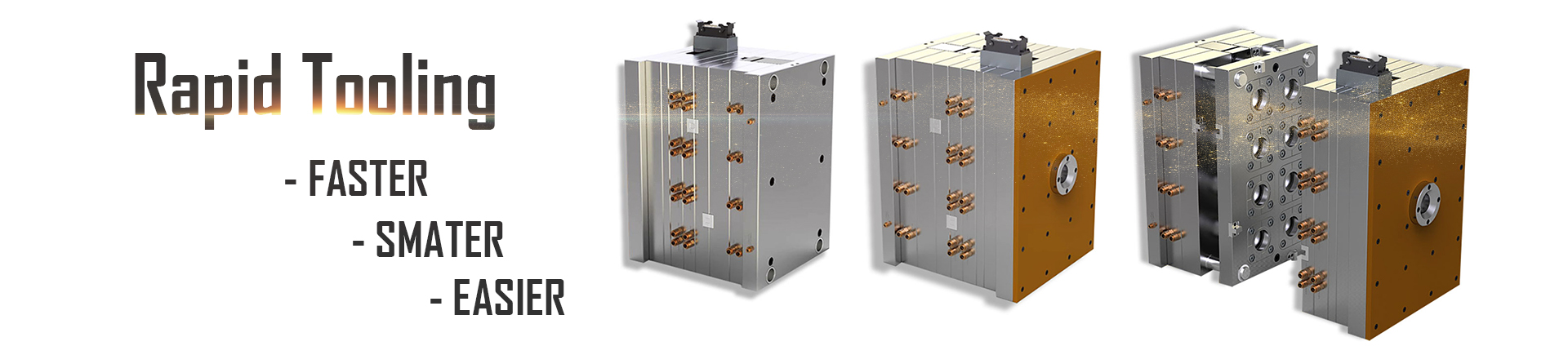
- Rapid tooling and injection molding options for projects requiring molded samples or low-volume molded parts.
- Surface finishing options including painting, polishing, sand blasting, anodizing, and other treatments listed within E-mold’s finishing services.
- Appearance and identification options such as color matching, silk screen printing, pad printing, and laser etching.
- Quality assurance requirements agreed according to the part and its intended use.
Material availability, process compatibility, tooling requirements, and finishing suitability should be confirmed during project review. Changes to geometry, material, or surface treatment may require additional evaluation before the manufacturing plan is finalized.
E-mold’s Rapid Prototyping and Manufacturing Capabilities
Established on May 1, 2019, E-mold is a manufacturer based in Dongguan, Guangdong, with a team of over 100 people. Its manufacturing services include CNC machining, rapid tooling, plastic injection molding, and sheet metal fabrication, supporting automotive, electrical, medical, and consumer product projects.
For rapid prototyping projects, E-mold provides design evaluation and consultation, mold modification and machining, and surface finishing. Its service scope extends from proof-of-concept prototypes to production molds and low-, medium-, and high-volume manufacturing. Project requirements can be reviewed according to the design stage, material, quantity, and intended manufacturing process, helping buyers plan both initial prototype evaluation and subsequent production.
Frequently Asked Questions
What can a rapid prototype help evaluate?
A rapid prototype can support reviews of shape, fit, assembly, appearance, and selected functional requirements. Its usefulness depends on how closely the material, geometry, and manufacturing process represent the intended product. Testing objectives should therefore be defined before the prototype is made.
Which rapid prototyping process is suitable for my project?
The choice depends on part geometry, material, quantity, and evaluation purpose. CNC machining, sheet metal fabrication, and tooling with injection molding serve different requirements. Providing drawings and explaining how the part will be tested helps narrow the options.
Does every prototype project require tooling?
No. CNC machining and sheet metal fabrication may produce prototype parts without an injection mold, although some designs can require dedicated fixtures or forming tools. Injection-molded samples require tooling, so the expected quantity and likelihood of design revisions should be considered before proceeding.
Can prototype parts include surface finishes and markings?
E-mold lists finishing services including painting, polishing, sand blasting, anodizing, printing, and laser etching. Suitable options depend on the material and intended use. Appearance references and any functional surface requirements should be supplied for review.
Can a prototype project continue into production?
E-mold supports low-, medium-, and high-volume manufacturing as well as prototyping. Moving from a rapid prototype to production requires a review of design stability, material, quantity, tooling, and quality requirements. The process used for the initial prototype may differ from the process selected for ongoing production.
How are prototype lead time and inspection requirements confirmed?
Lead time should be confirmed after reviewing the design, quantity, material availability, tooling needs, and finishing scope. Required dimensions, inspection records, and supporting documents should be identified during the same review so that the delivery requirements are clear.
What to Prepare for a Prototype Project Inquiry
For project evaluation and quotation preparation, provide the available design files together with the prototype’s intended purpose. Distinguish mandatory requirements from preferences so that the manufacturing proposal can focus on the features that matter to the project.
- Target service or a description of the part if the manufacturing process has not yet been selected.
- Available 2D drawings and 3D design files, with the current revision clearly identified.
- Required quantity, material preferences, and whether material alternatives are acceptable.
- Critical dimensions, tolerances, assembly interfaces, and planned tests.
- Surface finish, color, texture, or marking requirements.
- Target delivery date and any subsequent trial or low-volume production plans.
- Required inspection records, material documentation, packaging, or other delivery conditions.
If the design is still under development, identify the unresolved features and explain what the initial prototype needs to establish. Manufacturing feasibility, quotation scope, and lead time can then be reviewed against the information available.