




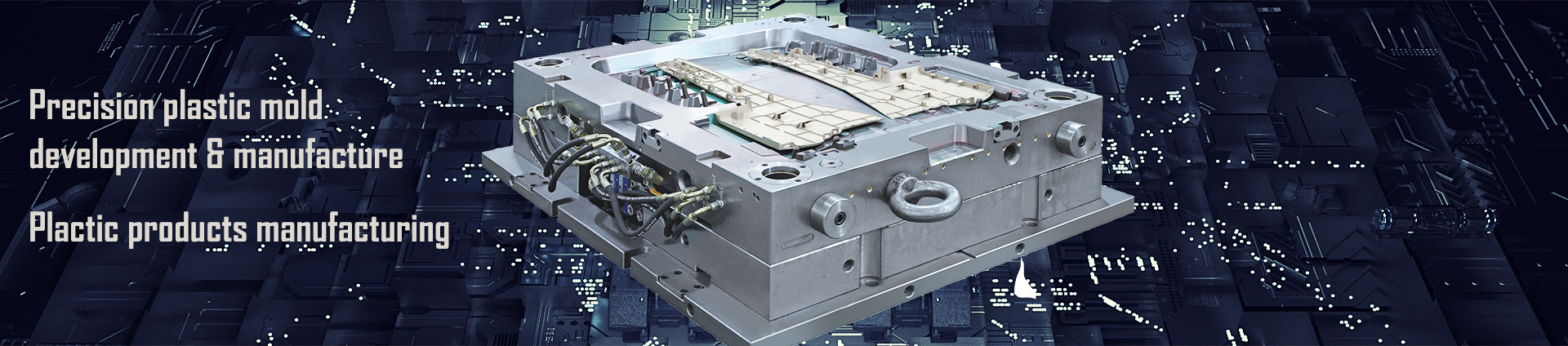
How to Choose the Right CNC Machining Service for Precision Parts
Opening Summary
Choosing the right CNC machining service is not only about finding a supplier with machines. It is about matching part complexity, material needs, tolerance requirements, lead time, and production volume with a manufacturing partner that can actually deliver stable results.
For buyers of custom parts, OEM components, and prototype-to-production projects, the selection process affects cost, quality, and schedule at the same time. A practical decision starts with understanding what CNC machining is best for, what type of supplier you need, and which technical details should be checked before placing an order.
What CNC Machining Is Good For
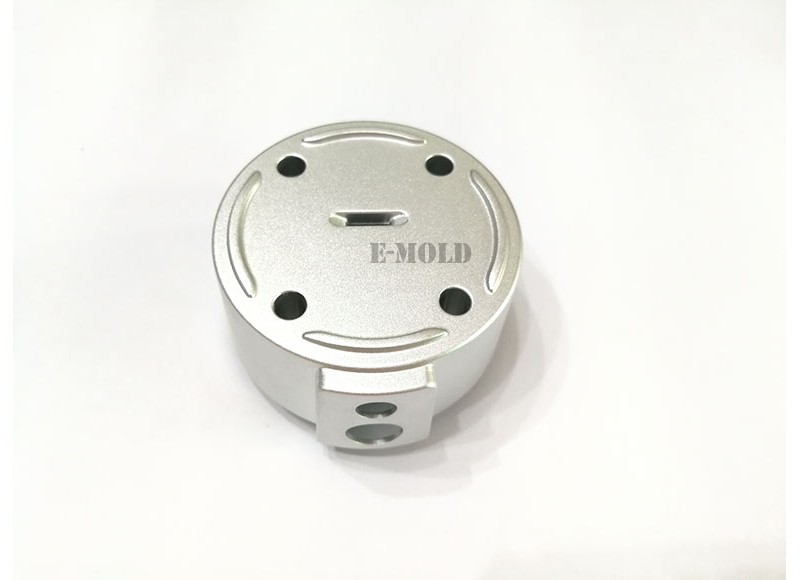
CNC machining is a subtractive manufacturing process that uses computer-controlled tools to cut parts from solid material. It is widely used for metal and plastic components that need accurate dimensions, repeatable quality, and short development cycles.
This process is especially valuable when a project needs functional parts rather than purely visual samples. CNC machining works well for prototypes, low-volume production, bridge parts, tooling components, and end-use parts that require tighter dimensional control than many manual processes can provide.
The strongest advantage of CNC machining is flexibility. A buyer can move from CAD files to physical parts without waiting for mold tooling, which shortens development time and makes it easier to test design changes before committing to full-scale production.
What Buyers Should Evaluate
A CNC machining service should be judged by more than price alone. In most projects, the supplier’s ability to handle engineering details determines whether the final part is usable, stable, and cost-effective.
The first point to review is material capability. Aluminum, stainless steel, brass, copper, and engineering plastics all behave differently during machining, so the supplier should clearly understand how each material affects cutting, finish, and dimensional stability.
The second point is tolerance control. If a part has tight fit requirements, assembly interfaces, or sealing surfaces, the supplier should be able to work from drawings and confirm what tolerance range can be held consistently.
The third point is lead time. A fast quote is useful, but a realistic delivery schedule matters more. Buyers should ask whether the supplier can support prototype runs, repeated low-volume orders, or scaled production without changing the process every time.
The fourth point is engineering support. A supplier that can review drawings, suggest manufacturability improvements, and flag weak design features often saves time and cost later in the project.
CNC Machining Service Comparison
Different project stages require different machining priorities. The table below shows how buyers can think about CNC machining service selection across common use cases.
| Project Type | Main Priority | Best-Fit CNC Service | Buyer Focus |
|---|---|---|---|
| Prototype | Fast testing and design validation | Quick-turn CNC machining | Accuracy, turnaround, design feedback |
| Low-volume production | Stable quality with controlled cost | Repeatable CNC machining runs | Consistency, packaging, order flexibility |
| OEM parts | Fit, function, and repeat orders | Engineering-supported CNC machining | Drawings, tolerance, surface finish |
| Production components | Reliability at scale | Process-controlled machining | Capacity, quality control, documentation |
This kind of comparison helps buyers avoid choosing a supplier that is only good at one stage of development. A fast prototype shop may not be the best choice for repeated OEM orders, while a high-volume factory may not be the most efficient partner for early design iterations.
Why Design Review Matters
A good CNC machining partner does not simply quote the drawing and wait for approval. The better approach is to review the part early and check whether the geometry, wall thickness, feature depth, and material choice all make sense for machining.
This is important because many cost problems come from design decisions, not the machining process itself. Deep cavities, thin sections, sharp internal corners, or unnecessary tight tolerances can increase machining time and scrap risk.
When the supplier provides design evaluation before production, buyers gain a chance to improve manufacturability without changing the core function of the part. That early review often leads to better price stability, better lead time, and fewer revision cycles.
Materials and Finishing Choices
Material selection is one of the most practical decision points in CNC machining. Aluminum is often used when buyers need a balance of machinability, weight reduction, and cost control. Stainless steel is common when strength, wear resistance, or corrosion resistance matters more.
Engineering plastics are useful when insulation, low weight, chemical resistance, or design flexibility is needed. Each material changes the way the part is cut, the finish quality, and the final performance in use.
Surface finishing matters just as much as the base material in many projects. Polishing, painting, anodizing, plating, and other finishing steps can improve appearance, corrosion resistance, or assembly performance. Buyers should always confirm whether finishing is part of the machining scope or a separate process.
Case Study
A buyer sourcing precision aluminum parts needed a supplier that could support both prototype validation and future low-volume orders. The main concern was not only machining capability, but also whether the supplier could confirm material options, tolerance expectations, and delivery timing before production started.
E-mold reviewed the drawing, clarified the critical dimensions, and suggested a machining route that matched the buyer’s target quantity and launch schedule. After the first batch was approved, the buyer kept the same supplier for repeat orders because the process was predictable and the communication was efficient.
Client Testimonial
“The most useful part was the early feedback. It helped us make a faster sourcing decision and reduced the uncertainty before the first order.”
FAQs
What types of parts are best for CNC machining?
CNC machining is well suited for precision metal and plastic parts that need accurate dimensions, repeatable quality, and functional performance.
Is CNC machining better for prototypes or production?
It works well for both, but it is especially useful for prototypes, low-volume production, and bridge manufacturing before tooling is finalized.
How do I choose the right material?
Start with the part’s function, then consider strength, weight, corrosion resistance, insulation, machinability, and final appearance.
What information should I prepare before requesting a quote?
Prepare 2D drawings, 3D files, part quantity, material preference, tolerance requirements, surface finish needs, and target lead time.
Can CNC parts be finished after machining?
Yes. Many parts can be polished, painted, plated, anodized, or otherwise finished depending on the material and application.
E-mold CNC Machining Recommendation
E-mold Rapid Manufacturing Ltd provides CNC machining services for buyers who need low-volume manufacturing, OEM production support, and design-sensitive precision parts. With capabilities in CNC machining, plastic injection molding, precision mold making, stamping mold, and sheet metal fabrication, the company is positioned to support projects from proof of concept to production delivery.
For CNC machining projects, E-mold is especially relevant when buyers need engineering review, practical manufacturability feedback, and surface finishing support in one workflow. That combination makes it easier to move from drawing to usable parts while keeping the process efficient and cost-conscious.
Why This Guide Matters for Buyers
CNC machining service selection is about reducing risk before production starts. Buyers who check material, tolerance, lead time, engineering support, and finishing capability usually make better decisions than buyers who focus only on unit price.
The most reliable CNC machining partner is not simply the one that can machine a part, but the one that can help the part succeed in real use. That is why the right supplier should be evaluated as part of the product development process, not after the design is already locked in.
Authoritative Sources
CNC Machining Basics
https://www.britannica.com/technology/CNC-machine
Design for Manufacturability
https://www.nist.gov/services-resources/software/design-manufacturing
Machining Tolerances
https://www.iso.org/standard/67372.html
Surface Roughness and Surface Texture
https://www.asme.org/codes-standards/find-codes-standards/b46-1-surface-texture-surface-texture
